These moths reside in the Old World of Europe and Asia: from Portugal to Japan in warm climates. There have been claimed sightings in Newfoundland, Canada as well. Though these sightings could be mistaking the hummingbird moth (Hemaris thysbe) of North America for the Hummingbird hawk-moth.
During the harsh Russian winters, just kidding Russia is too harsh for them, during winter the moths hide out in the crevices of rocks, buildings, trees and such. They may journey out on warmer days to look for food.
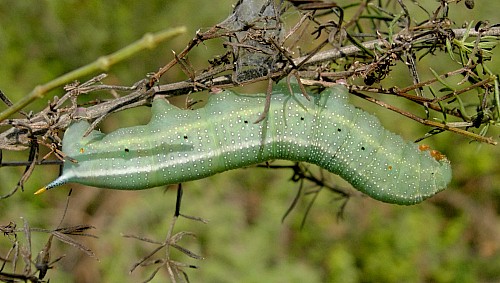
Hummingbird hawk-moth larvae are green with two cream stripes and a purple-red (later on blue with an orange tip) horn on their rear end.
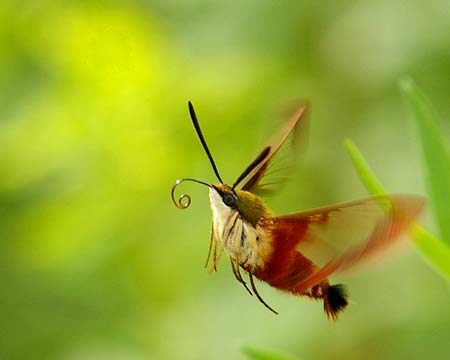
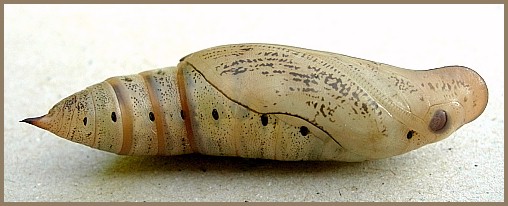
The wings of the moth beat so fast, that they make an audible noise, like their namesake. As a pupae and full grown adult, the moths harbor a proboscis more prominent than most moths.



No comments:
Post a Comment